Why Seeing a Preventive Dentist Matters at Every Age
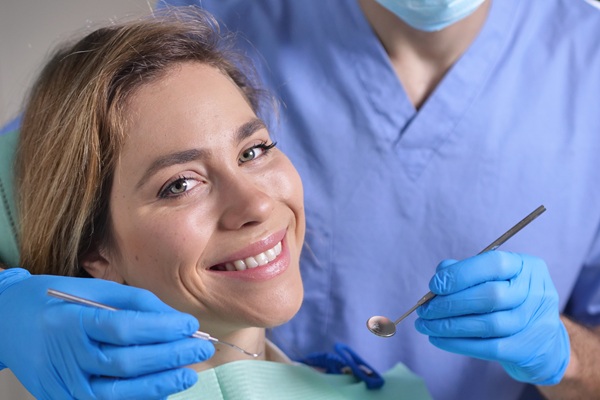
A preventive dentist strives to keep the teeth and gums healthy through regular dental checkups and cleanings. Combined with good oral hygiene, this quality care can help reduce the likelihood of tooth decay, gum disease, and sudden dental emergencies. No matter how old or young the patient may be, consistent visits provide a clear path toward lasting oral health.
Preventive care is most effective when started early in life
Dental care should begin well before a child loses their first tooth. More specifically, the American Dental Association recommends seeing a preventive dentist once the child gets their first baby (primary) tooth. Early visits set the tone for how a person views dental care for the rest of their life. This is one reason why visiting a dentist is a priority for toddlers and young children. In addition, early appointments allow the dentist to monitor the development of the jaw and the alignment of incoming teeth, as well as detect any issues like decay as soon as possible.
For parents, these visits offer a chance to learn about the right ways to clean a child’s mouth and the impact of certain snacks on tooth enamel. Establishing this routine early helps prevent cavities in primary teeth, which are necessary for guiding permanent teeth into the correct positions.
Preventive dental care for teens and adults
As people grow into their teenage years and adulthood, their dental needs change significantly. Teens often face challenges related to hormonal shifts, orthodontic treatment, and busier schedules. A preventive dentist closely monitors these changes. For those with braces, professional cleanings are even more important because plaque easily hides behind brackets and wires. Without this extra attention, a teenager might finish their orthodontic treatment only to find they have developed several cavities or white spots on their teeth.
In adulthood, life often becomes more stressful, which can take a physical toll on the mouth. Many adults experience bruxism, or teeth grinding, due to the pressures of work and home life. This habit wears down enamel and can lead to cracked teeth or jaw pain. During a routine exam, a preventive dentist identifies these patterns and may suggest solutions, such as custom mouthguards.
Both teenage and adult patients are also likely to drink plenty of coffee, tea, and soda. These beverages can easily stain or erode enamel. Thankfully, preventive care helps minimize or address this normal wear and tear with regular dental cleanings. The goal is to minimize the effects before extensive dental work is needed.
Preventive care remains important later in life
Keeping the natural teeth functional and comfortable allows older patients to maintain a varied diet and speak with confidence. Thus, oral health needs do not disappear as a person gets older; in fact, they often become more complex. Many seniors may deal with the side effects of medications, such as dry mouth, which creates an environment where bacteria thrive. Without enough saliva to wash away food and bacteria, tooth decay can progress quickly. A preventive dentist provides specialized treatments, like saliva substitutes and rinses, to help manage these conditions and protect the teeth.
Seniors also need to keep a close eye on the gum health. Over time, gums may recede, exposing the sensitive roots of the teeth to decay. Consistent dental visits allow a preventive dentist to monitor gum stability and ensure that previous dental work, such as crowns or bridges, remains in good condition. Dental care at this stage is about preserving the quality of life and avoiding the need for tooth replacements (e.g., dentures or dental implants) whenever possible.
What happens when you visit a preventive dentist?
A routine visit includes a professional dental cleaning and exam. Each visit is tailored to the patient, but there are several steps that all ages can expect:
- Diagnostic imaging. To see what is happening beneath the surface and between the teeth.
- A careful dental cleaning. To remove plaque and tartar, as well as to polish the teeth.
- A physical exam of the teeth. To look for soft spots and other signs of decay.
- A periodontal screening. To assess the health of the gums and check for signs of infection.
- An oral cancer screening. To find any unusual changes in the tissues of the mouth or throat.
What happens in the dental office is only one part of the equation. Small habits at home support regular preventive dental care. Brushing twice a day and flossing once a day remain the most effective ways to prevent plaque buildup between visits.
Having a healthy smile is easy with preventive care
The value of a preventive dentist is found in the problems that never happen. By prioritizing these visits at every age, people can avoid the discomfort of a toothache and the stress of unexpected dental bills. From the first toddler visit to the maintenance of a senior’s smile, preventive dental care provides a steady foundation for oral health. Contact Midtown Dental - The Gallery of Smiles to schedule an appointment today.
Request an appointment here: https://www.thegalleryofsmiles.com or call Midtown Dental - The Gallery of Smiles at (713) 979-4127 for an appointment in our Houston office.
Check out what others are saying about our dental services on Google: Preventative Dental Care in Houston, TX.
Related Posts
When it comes to preventive dental care, the approach is two-fold. First, it involves going to the dentist for regular checkups and performing any recommended follow-up treatment. Second, good oral health habits are crucial for keeping the body in good working order. For people living with chronic conditions such as diabetes and osteoporosis, keeping up…
We all try our best to take care of our oral health, and a dental check-up is certainly an important part of that. We brush, floss, try to eat properly, and avoid acidic drinks, but we can't neglect regular visits to the dentist to take care of our teeth, gums, tongue, and throat. A routine dental…
Fluoride is a naturally occurring mineral that may be found in a variety of foods and tap water. Fluoride levels in water vary depending on where you live. Fluoride strengthens the tooth's enamel, making it more resistant to tooth decay. It also minimizes the quantity of acid produced by oral bacteria. Fluoride-treated children's teeth grow…
Going in for routine dental care does not have to be a scary process. Many patients feel so nervous about this visit that they may put off appointments for months or even years. If you regularly go to the dentist for teeth cleanings and examinations, you can keep cavities and gum disease at bay. Maintaining…