Dental Implant Restorations for Worn or Loose Teeth: Treatment Pathways
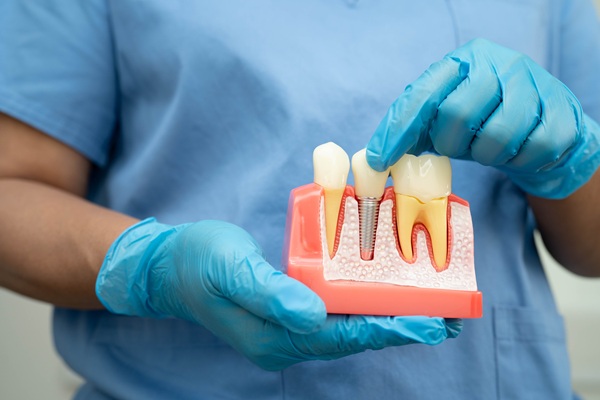
Dental implant restorations offer a permanent solution for anyone with worn or loose teeth, replacing unstable structures with a foundation that restores comfort and function. Tooth wear and looseness often signal deeper health concerns such as advanced gum disease, heavy bite stress, or long-term bone loss. When these issues compromise the stability of a smile, the focus shifts toward preserving healthy tissue and replacing what is no longer reliable.
Step one: Diagnosis and stabilization
The journey toward a stable smile begins with a thorough exam of the gums, bone levels, and existing dental work. Digital imaging helps identify bone loss patterns and hidden fractures that influence how a dentist plans for a new tooth. Measurements of the gum tissue clarify whether infection contributes to the looseness and if a deep cleaning is necessary before moving forward. Stabilization sometimes involves treating active infections or adjusting the bite to reduce stress on vulnerable areas of the mouth.
This initial phase protects the final outcome by ensuring no decisions are rushed. Teeth that feel loose due to temporary inflammation often improve once the dentist controls the infection and removes plaque. However, teeth that suffer from advanced bone loss or a deep root fracture rarely regain their original strength. When preservation is no longer an option, dental implant restorations are the most effective replacement option to protect the neighboring teeth and the jawbone.
Path A: Preserving natural structure
When teeth show signs of wear but remain stable in the jaw, the first goal is to protect the remaining enamel. A dentist often suggests a custom nightguard to cushion the teeth against grinding forces during sleep. Restorations like bonding or crowns rebuild the lost structure and help balance the bite to prevent future chipping. In many instances, small orthodontic adjustments help distribute pressure more evenly across the entire arch.
If looseness is mild and relates only to gum irritation, improved home care and professional cleanings may stabilize the tissue. Splinting sometimes helps reduce movement while the gums heal and become firm again. Consistent monitoring confirms whether the stability improves or if a replacement becomes a safer plan for the future. Keeping natural tooth structure is always a priority when the tooth remains predictable and healthy.
Path B: Replacing unstable teeth
Some teeth remain loose because the supporting bone is too thin or the internal root structure is fractured. In these scenarios, removing the tooth is often the safest way to relieve discomfort and prevent the infection from spreading. Planning for a replacement happens early because the timing of the extraction affects the health of the surrounding bone. Dental implant restorations replace a missing tooth without needing to grind down the healthy teeth next to the gap for support.
The planning phase sometimes includes a bone graft if the area lacks the necessary volume to hold an implant securely. A dentist determines if a graft is necessary to support the long-term stability of the implant and the natural look of the gumline. Temporary options ensure the patient maintains their appearance and ability to eat while the site heals. This staged approach focuses on comfort while the mouth prepares for the final, permanent tooth.
The pathway to dental implant restoration
The process of receiving an implant usually involves a placement step, a healing period known as osseointegration, and the attachment of the final restoration. The implant itself acts as a new root, while the visible crown, bridge, or denture completes the look and function of the smile. Once the implant is secure in the bone, the new tooth is attached and adjusted for a perfect bite.
The design of the new tooth also accounts for the specific forces of the patient's bite. Those with a history of clenching often receive reinforced materials to reduce the risk of chipping the ceramic. That is why every contact point is adjusted to prevent food from trapping between the teeth and to keep the gums easy to clean.
Schedule an appointment
Worn or loose teeth require an accurate diagnosis because the best treatment depends on whether the dentist can save a tooth or provide a complete replacement. Tooth-preserving methods work well when the bone support is strong, while a replacement is appropriate when a tooth is no longer stable. Dental implant restorations offer a predictable way to rebuild a smile without affecting the health of the neighboring teeth. For more information or to schedule an appointment, contact Midtown Dental - The Gallery of Smiles.
Request an appointment here: https://www.thegalleryofsmiles.com or call Midtown Dental - The Gallery of Smiles at (713) 979-4127 for an appointment in our Houston office.
Check out what others are saying about our dental services on Google: Dental Implant Restoration in Houston, TX.
Related Posts
Are you in need of dental restoration and don’t know where to turn? You are not alone. Countless patients ask themselves this nagging question daily. We all want to have the most beautiful and bright smile but aren’t sure how to achieve our goal. Fortunately, there are solutions that you can count on. There are many…
Any dental work that is done to repair missing or damaged teeth are types of dental restorations, which can include anything from minor fillings to full implants. How long these restorations take depends entirely on what kind of work is necessary. Some procedures can be performed in a single short appointment, while others might be…
Dental restoration treatments can be used to repair teeth that have been damaged by tooth decay. Such treatments can also restore the look and functionality of the tooth.Tooth decay is an oral issue that most people have to deal with at some point. There are acids in some of the foods we consume, like citrus…
A restorative dentist can help transform dental health and restore confidence in your smile. These dental professionals address a variety of dental issues, from missing teeth to damaged enamel. The goal of restorative dentistry is to improve both the function and appearance of your teeth, allowing you to achieve better oral health and renew your…