3 Different Options for Replacing Missing Teeth
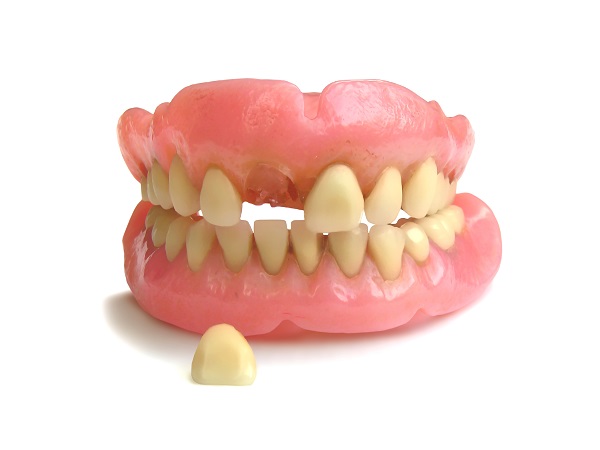
If you are missing teeth, it can be both a cosmetic annoyance and a health issue. Luckily, your dentist can treat this issue and help you regain a beautiful smile. There are various effective solutions you can choose from. Your dentist can discuss the benefits and drawbacks of each of these so you can make the right decision.
How teeth go missing
Permanent teeth are not meant to fall out. However, even though teeth are the strongest substance in the body, damage can occur. Poor oral hygiene such as lack of brushing and flossing can lead to cavities, infections and gum disease. When the person does not care for these conditions, the dentist may not be able to save the tooth, or it may even fall out. Trauma from injuries and accidents can also dislodge teeth. This may occur from a slip and fall or from a hard blow to the face while playing sports.
Bridges
A dental bridge closes the gap between existing teeth. This apparatus replaces missing teeth by placing crowns over natural teeth and artificial teeth in the spaces. The crowns act as anchors to the artificial tooth. Bridges help to properly distribute the bite force and keep the shape of the mouth. Another advantage of choosing this option is that it keeps surrounding natural teeth from shifting out of place.
Dentures
This mouth appliance consists of a gum-colored acrylic base and metal artificial teeth covered in plastic. Patients can choose full dentures as a solution to replace all teeth. Partial dentures are available for people who are missing multiple teeth but have healthy natural ones remaining. Most dentures are removable, allowing the wearer to clean them by rinsing and brushing. It is also important to soak them overnight in a solution. Dentures are natural-looking and help the person to speak and eat normally.
Implants
Though titanium implants require a more significant financial commitment, this option is more durable. Dental implants can last 20 years or more, especially if the patient brushes regularly and avoids hard foods. The dentist will insert a screw-like post into the person’s jaw and attach an abutment to it. On top of the abutment is a crown that resembles the color and shape of the natural teeth. This option for replacing missing teeth can take several months, as the dentist will allow time for the patient’s gums and jaw to heal after each step in the process. Dental implants are a good choice for people who are missing one tooth or several teeth.
Replace your missing teeth
Before you decide what is best to replace your missing teeth, evaluate all three of these options. Each of these has pros and potential disadvantages. Your needs and preferences should guide your decision-making. Your dentist can also help you and give a recommendation of what makes the most sense. It can be difficult to live without teeth. Call your dentist today and discuss the various replacement solutions. Before long, you can have the smile you have been looking for.
Are you considering replacing your missing teeth in the Houston area? Get more information at https://www.thegalleryofsmiles.com.
Check out what others are saying about our dental services on Google: Missing Teeth in Houston, TX.
Related Posts
Invisalign® for teens refers to the clear plastic device worn to straighten teeth as an alternative to metal braces. Many people opt to wear these types of devices when they are in their teenage years, but they can be worn by adults as well. Invisalign has the added benefits of being removable and less noticeable…
An implant crown can help replace a missing tooth and restore confidence in your smile. When a dentist recommends an implant crown, the goal includes long-term stability, natural appearance, and comfortable function. Understanding each stage of the implant crown process helps patients feel more relaxed and prepared, from the first consultation through final placement.As its…
Implant-supported dentures replace a full arch of teeth with four to six implants. A removable or fixed full-arch bridge attaches to these implants to provide stable chewing and clear speech. There is no need for adhesives. This approach maintains a natural appearance and supports healthy bite and jaw function, helping patients feel comfortable eating and…
If you and your child are interested in an alternative to traditional braces, Invisalign® may be just what you are looking for. It is just as effective at straightening teeth as traditional braces but has certain qualities that make it more tolerable for teenagers.It is usually preferable to wait to delay teeth straightening treatment until…