What to Consider when Choosing an Implant Restoration
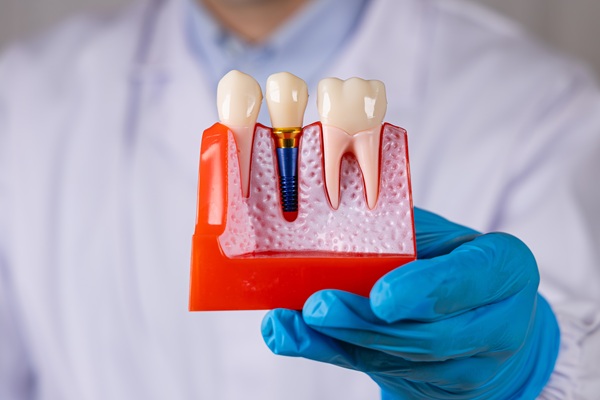
Are you exploring tooth replacement options? An implant restoration offers a durable and natural-looking solution to tooth loss. Implant restoration replaces one or more missing teeth by surgically embedding a titanium post into the jawbone and securing a dental crown, bridge, or denture on top. While this procedure provides long-term benefits, there are several factors to consider before choosing the most suitable implant restoration.
Type of implant restoration
The type of implant restoration needed depends on the number of missing teeth and the patient's desired outcome. For example, a single-tooth implant uses one post and a dental crown to replace one tooth. For multiple missing teeth in a row, the dentist may recommend an implant-supported bridge. In cases of extensive tooth loss, implant-supported dentures can provide full-arch restoration with improved stability. These options vary in complexity, the number of implants required, and the time commitment to the treatment process.
Oral and overall health
Successful outcomes from an implant restoration depend heavily on the health of the patient's gums, jawbone, and overall systemic condition. Healthy gum tissue and adequate bone density are necessary to support the post and ensure long-term function and stability. For individuals with bone loss, they may require bone grafting before they undergo implant placement.
Additionally, certain health conditions, such as uncontrolled diabetes, autoimmune disorders, or a history of radiation therapy to the jaw, may impact healing or increase the risk of implant failure. A comprehensive health history and diagnostic imaging are critical to determining candidacy for implant restoration.
Material and cosmetic considerations
Implant restoration components contain a variety of materials. The most common is titanium for the implant post and porcelain or zirconia for the prosthetic tooth. Titanium is biocompatible and integrates effectively with the bone tissue. Meanwhile, zirconia provides a metal-free alternative with similar success rates.
The crown or bridge material is essential in the cosmetic outcome, particularly in the more visible areas of the mouth. Porcelain and zirconia resemble tooth enamel, offering a natural appearance. The dentist can tailor the restoration's color, transparency, and shape to match the surrounding teeth, particularly for restorations in the more visible areas of the mouth.
Cost and insurance coverage
The cost of an implant restoration is another important consideration. Factors influencing the overall price include:
- The number of implants
- The type of restoration
- The type of material chosen
- Diagnostic tests
- Preparatory procedures (e.g., bone grafting or sinus lifts)
Additionally, implant-supported restorations require multiple visits over several months, which adds to the overall treatment expense.
Insurance coverage varies from policy to policy. Some dental plans provide partial reimbursement for implants, while others may only cover other tooth replacement options. Patients should obtain a detailed treatment plan and consult with their insurance provider to clarify what portion, if any, will be covered. Then, they can work with the dental practice to determine if it offers financing options or sliding scale payment plans to cover out-of-pocket costs.
Durability and maintenance
Implant restorations are valued for their durability. However, long-term success requires consistent oral hygiene and routine dental care. Unlike removable dentures, implant supported teeth do not decay. Nevertheless, the surrounding gum tissue remains vulnerable to inflammation and infection if not properly maintained. Peri-implantitis, a condition similar to periodontal disease, can compromise the health of the implant site and lead to implant failure.
Experience of the dental provider
The skill and experience of the dental provider performing the implant restoration are important considerations. Implant placement and restoration require precise surgical techniques and detailed planning. A dental provider with training in implant dentistry can contribute to the success of the treatment process. Patients may also benefit from choosing a dental practice that offers both surgical and restorative phases of treatment under the same roof. This accessibility can improve patient-provider communication and their continuity of care.
Goals and expectations
Each person's tooth restoration goals are different. For example, some patients prioritize aesthetics and wish to restore the natural appearance of their smile. Meanwhile, others focus on improving their oral function.
Additionally, patients should consider the required recovery time, number of appointments, and willingness to undergo surgery when planning for an implant restoration. Open communication with the dental team ensures that their expectations are realistic and that the selected implant restoration method aligns with their lifestyle and long-term goals.
Schedule a consultation at our Houston office
Are you considering an implant restoration? Choosing this restoration is an important decision that involves several factors. Midtown Dental - The Gallery of Smiles is here to make the process as simple as possible. Call our Houston office to learn more about our implant restoration options or to schedule a consultation.
Request an appointment here: https://www.thegalleryofsmiles.com or call Midtown Dental - The Gallery of Smiles at (713) 979-4127 for an appointment in our Houston office.
Check out what others are saying about our dental services on Google: Dental Implant Restoration in Houston, TX.
Related Posts
Are you in need of dental restoration and don’t know where to turn? You are not alone. Countless patients ask themselves this nagging question daily. We all want to have the most beautiful and bright smile but aren’t sure how to achieve our goal. Fortunately, there are solutions that you can count on. There are many…
Any dental work that is done to repair missing or damaged teeth are types of dental restorations, which can include anything from minor fillings to full implants. How long these restorations take depends entirely on what kind of work is necessary. Some procedures can be performed in a single short appointment, while others might be…
Dental restoration treatments can be used to repair teeth that have been damaged by tooth decay. Such treatments can also restore the look and functionality of the tooth.Tooth decay is an oral issue that most people have to deal with at some point. There are acids in some of the foods we consume, like citrus…
A restorative dentist can help transform dental health and restore confidence in your smile. These dental professionals address a variety of dental issues, from missing teeth to damaged enamel. The goal of restorative dentistry is to improve both the function and appearance of your teeth, allowing you to achieve better oral health and renew your…